
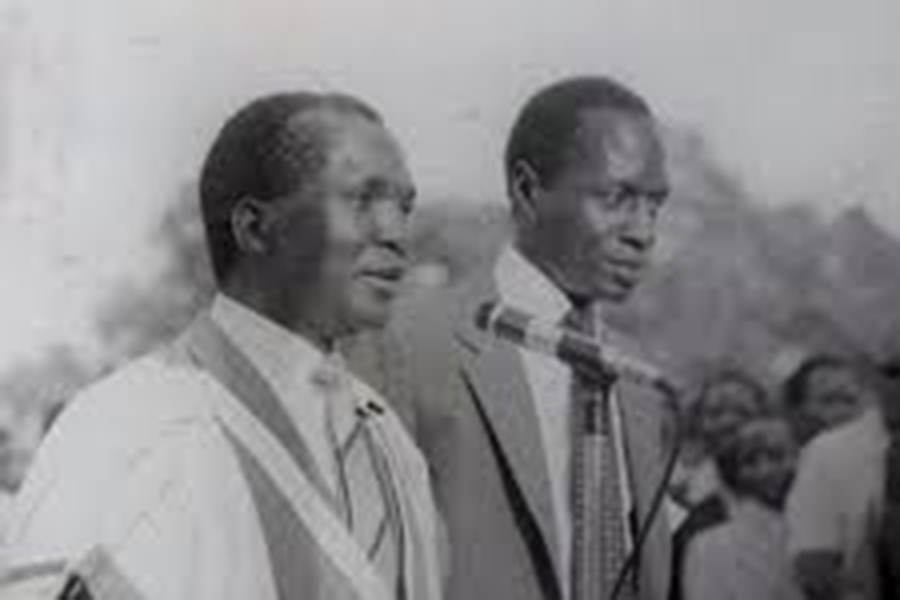
Uganda held its first direct presidential election on May 9, 1996, in what became a major turning point in the country’s political history.
The election came months after the adoption of the 1995 Constitution, which established a new constitutional framework allowing Ugandans to elect their president through universal adult suffrage.
Before 1996, Uganda had never conducted a presidential election in which citizens directly voted for their Head of State.
Earlier presidents either emerged through parliamentary arrangements or military takeovers.
In 1963, Sir Edward Muteesa II became Uganda’s ceremonial president after being elected by Parliament. In 1980, Milton Obote returned to power following a general election in which voters elected Members of Parliament rather than directly voting for a president.
The 1996 election therefore became a defining democratic milestone, giving Ugandans the opportunity to cast ballots specifically for the presidency for the first time.
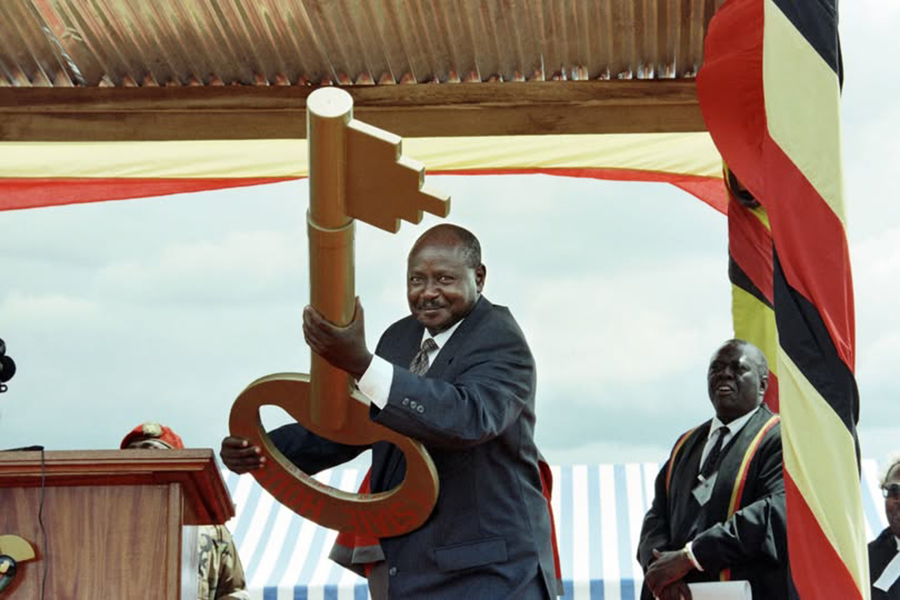
Incumbent President Yoweri Kaguta Museveni won the election under the Movement System with about 74.3 percent of the vote, extending his rule a decade after taking power through the 1986 bush war.
His main challenger, Paul Ssemogerere of the Inter-Party Forces Cooperation, secured around 23.6 percent of the vote, while academic and civil servant Kibirige Mayanja received roughly 2.1 percent.
The election also recorded strong voter participation. About 72.6 percent of Uganda’s 8.4 million registered voters cast their ballots, reflecting widespread national interest in the historic exercise.
The 1996 vote remains one of the most significant constitutional and political moments in Uganda’s post-independence history, laying the foundation for future presidential elections decided directly by the electorate.
